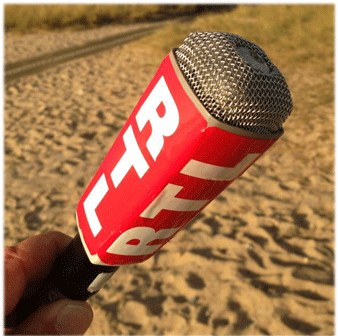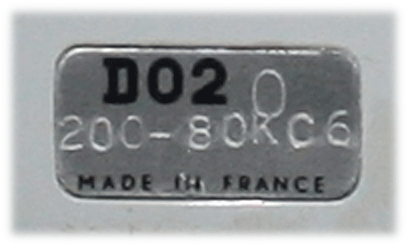
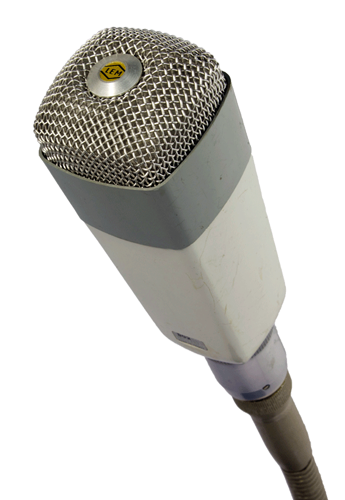
Some microphones have been around for a very long time without too many people taking notice, even when such a mic is waved right in front of their eyes. With the LEM DO 20, that is the case; it was introduced in 1960 and has remained one of the three most popular reporter microphones in Europe, ever since ( the other two are the Sennheiser MD 21 and the Electro-Voice 635 A).
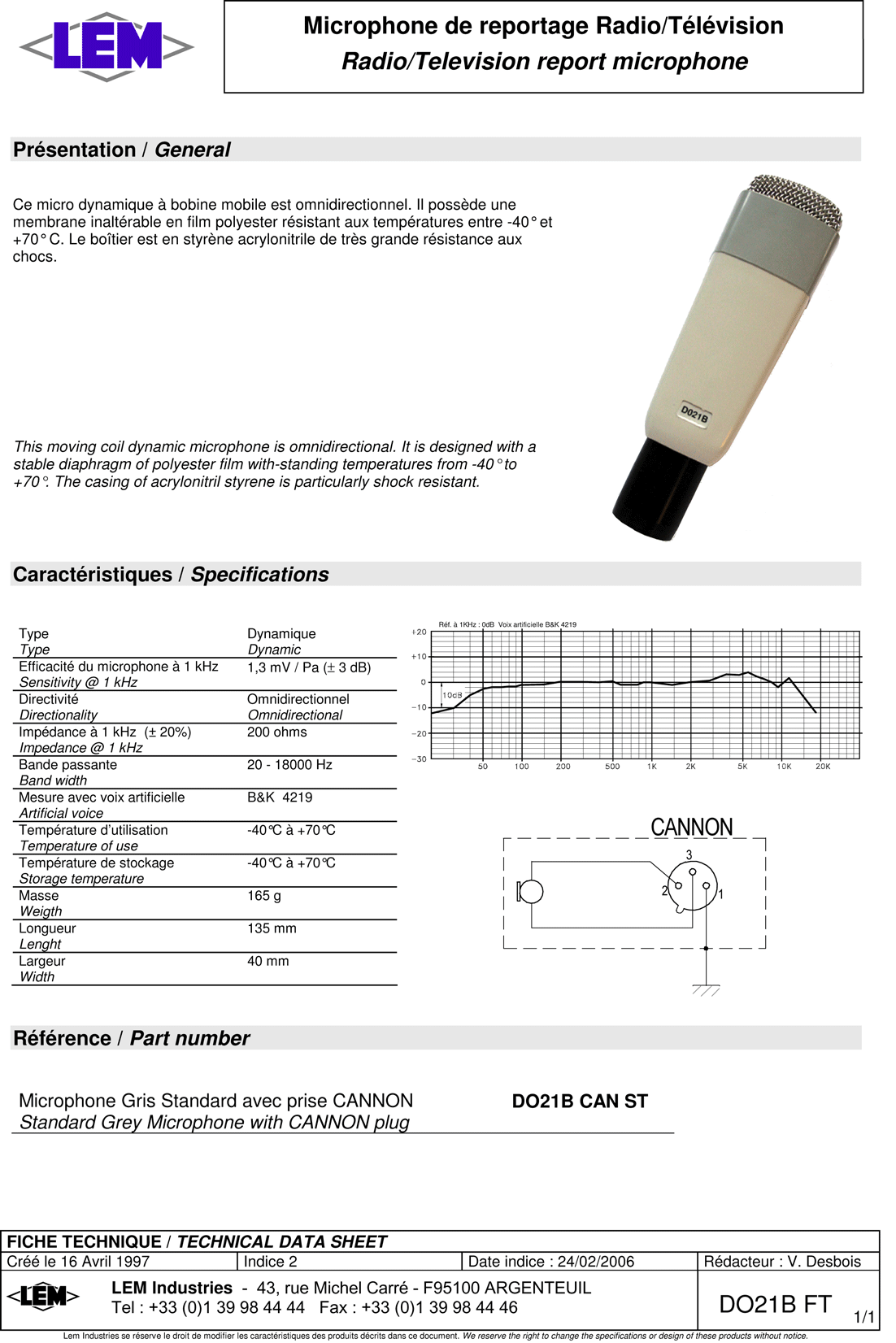
The Lem DO 20 is an omnidirectional dynamic microphone, specially designed for quality outside recording.
The casing is acrylonitrile styrene, which is particularly shock-resistant and insulating. The diaphragm is polyester film; it withstands temperatures from minus 40 to plus 70 degrees celsius. Wind sensitivity is very low.
Because of the plastic casing the microphone is extremely light, making it easy for reporters to hold it in the air, in front of the interviewee.
LEM was not the first to use plastics for a mic casing; Dutch manufacturer Ronette made their B 110 ‘Reporter’, a plastic ‘bullet type’, shortly after World War Two (war had made metal hard to obtain). The Ronette B 110 was also widely used in France.
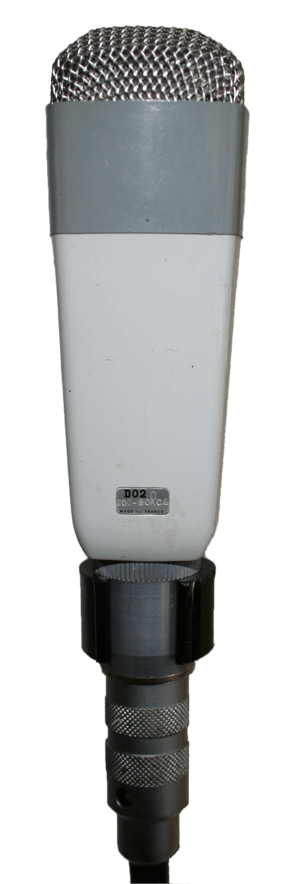
This is the favourite microphone of television and radio reporters in France and neighbouring countries (Spain, Portugal, Switzerland and Belgium). In France it was also used for TV panel discussions and even as a hand held vocal microphone for singers who appeared on TV.
Today Lem sells the model DO 21 B, the same type, with a different connector; a Cannon XLR type, instead of the earlier ‘Small Tuchel’, or DIN connector, which was the industry standard in Germany (Deutsche Industrie Normierung / German Industry Standard) and most of the rest of Europe, until the end of the seventies.
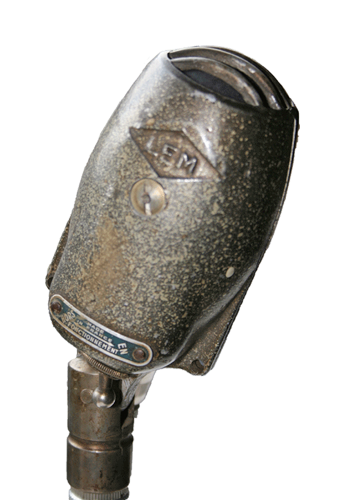
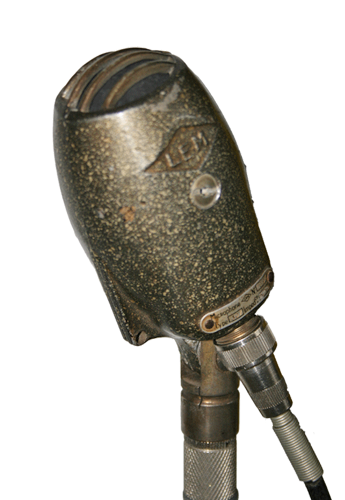
It was the successor of the rocket shaped LEM 307 omni directional dynamic, from the early Fifties (bottom left and middle image), which slightly resembles the design style of Philips microphones of that era.