
Ribbon Microphones

How a ribbon microphone works:
A thin corrugated strip of aluminum, mounted between two magnets, is set into vibration by sound. This movement of the ribbon in the magnetic field of the magnets generates a small electric current, which can then be converted back into sound by an amplifier.
In the United States, these were often known as ‘Velocity Microphones’ in the past.
Ribbon microphones are equally sensitive to sound on both sides, so they can be used, for example, in interviews where the interviewer speaks into the microphone on one side and the interviewee on the other. They can also be used by two singers in this way.
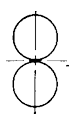
Ribbon microphones are insensitive to sound at the sides, which proved beneficial for film shoots, where proper positioning prevented the ribbon microphones picking up sound of the noisy cameras.
This recording pattern is called ‘figure of eight’, or ‘eight’.
Carbon Microphones
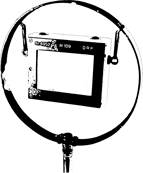
How the Reisz carbon microphone works:
Carbon granules, containing two electrodes and covered by a rubber membrane, are pressed closer together by sound vibrations.
Connected to a battery, these pressure differences can be converted into a small electric current, which can later be translated back into sound.
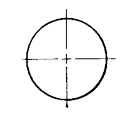
The pick up pattern of a carbon microphone is omni directional
Dynamic Microphones

How a dynamic microphone works:
A number of windings of copper wire, with a diaphragm attached to them, moves past a magnetic coil under the influence of sound.
The resulting electric current can then be amplified.
The operation is actually exactly the reverse principle of a loudspeaker.
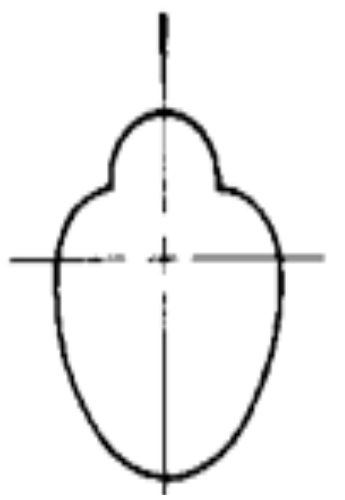

Dynamic microphones have a directional (uni-cardioid) characteristic, or an all-around sensitive (omni) characteristic.
Condenser Microphones

Watch the mini documentary 100 years of condenser microphones
How a condenser microphone works:
A flexible membrane (diaphragm) and a fixed back plate form a capacitor. Under the influence of sound waves the capacitance changes, thus generating a small electric current, which is amplified by a pre amplifier in, or very close to, the microphone .
Condenser microphones are often of high quality and they are widely used in studios. A power source is required for operation; nowadays, this is usually ‘Phantom Power’ (12 to 48 volts), supplied by the mixing console to which the microphone is connected. Tube condensers have their own external power supply.
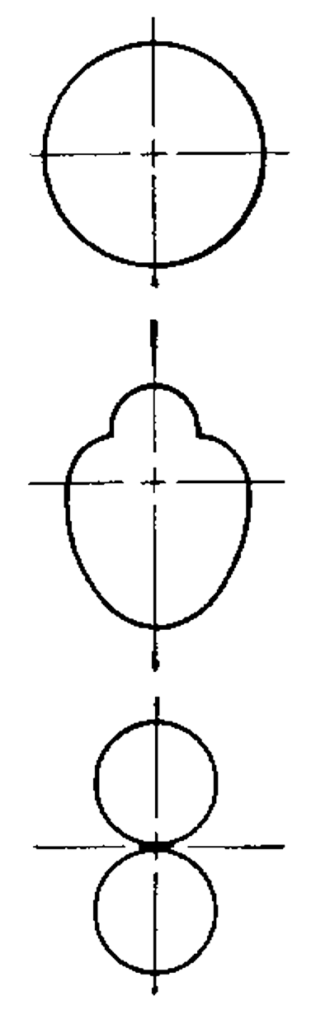
The pickup pattern of a condenser microphone can be varied by using two identical diaphragms with a fixed electrode in between.
By changing their charge relative to one another, all types of patterns can be formed: omni, figure-eight, or cardioid.